
About Us
STEP's aims include raising the public profile of trust and estate work as a profession. In order to hold and maintain STEP's Trust and Estate Practitioner (TEP) designation, STEP members must maintain ongoing educational requirements. Prospective members must pass rigorous training standards.
A key element of STEP's ongoing mandate is to provide a forum for discussion and advancement of practitioner knowledge of relevant tax, accounting, administration, statute and case law through regular branch seminars, symposia, and an annual national conference.
STEP Canada is also active in making representations of a technical nature to government, policymakers and related professional bodies, with the goal of promoting better understanding of trusts and estates, and improving related law and policy.
Why become a TEP?
Trusts and estates practice is a complex and growing field. The Trust and Estate Practitioner designation (TEP) is an internationally recognized designation and is a way to formally identify qualified practitioners and distinguish them from non-specialists who occasionally deal with trusts and estates.
Chairpersons of the Board
With deep appreciation for their vision, dedication, and leadership:
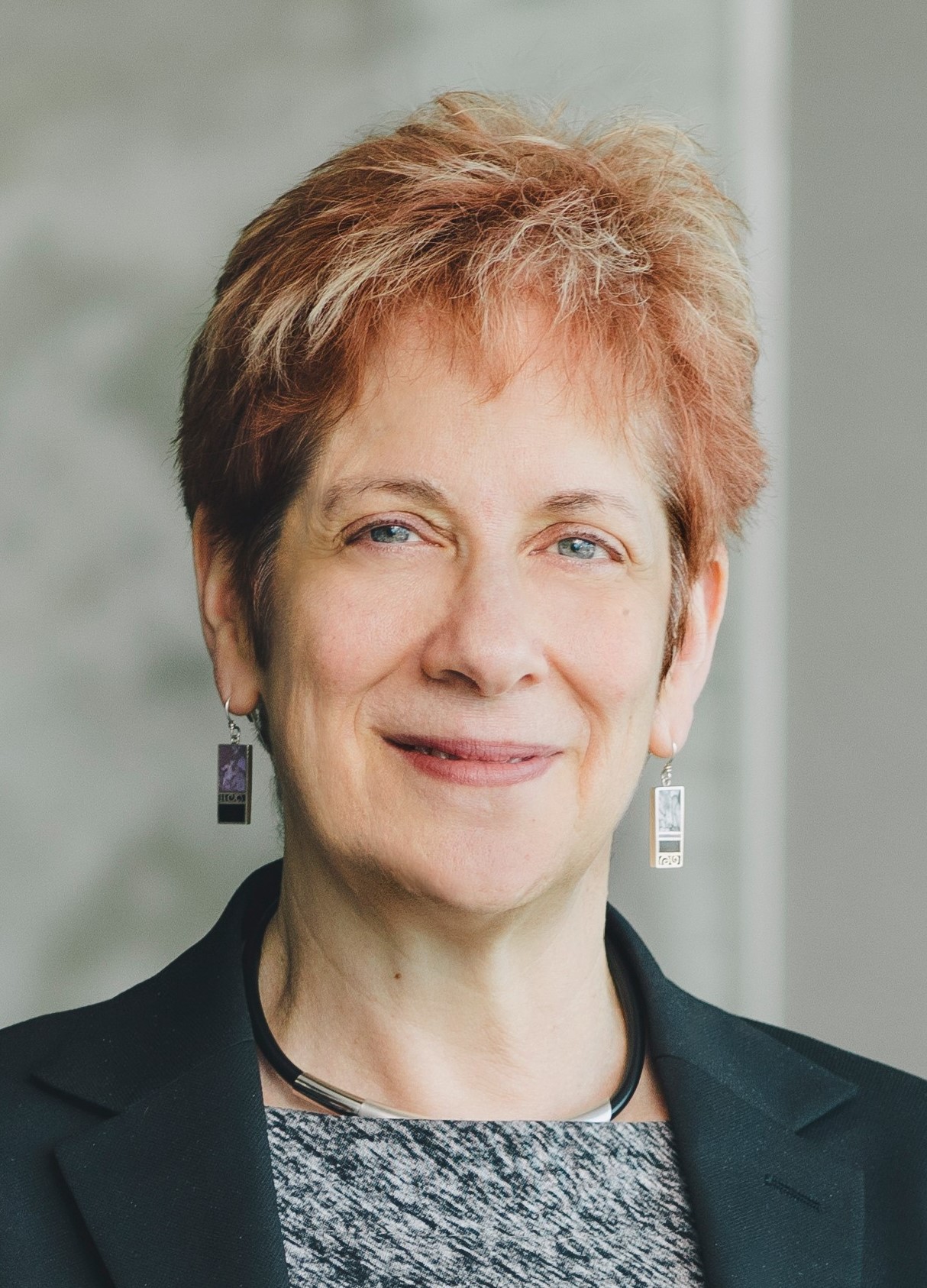
Rachel Blumenfeld
2025-2023
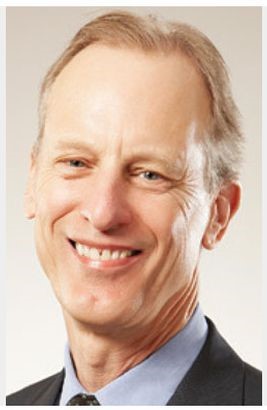
Chris Ireland
2023-2021

Pamela L. Cross
2021-2019

Ruth March
2019-2017

Tim Grieve
2017-2015
Ian Worland
2015-2013
Mary Anne Bueschkens
2013-2011

Kim G.C. Moody
2011-2009

Grace Chow
2009-2007
Paul LeBreux
2007-2004
Michael Cadesky
2004-1998